
How to Write a Web Performance Improvement Log (with a Template)
StackSide
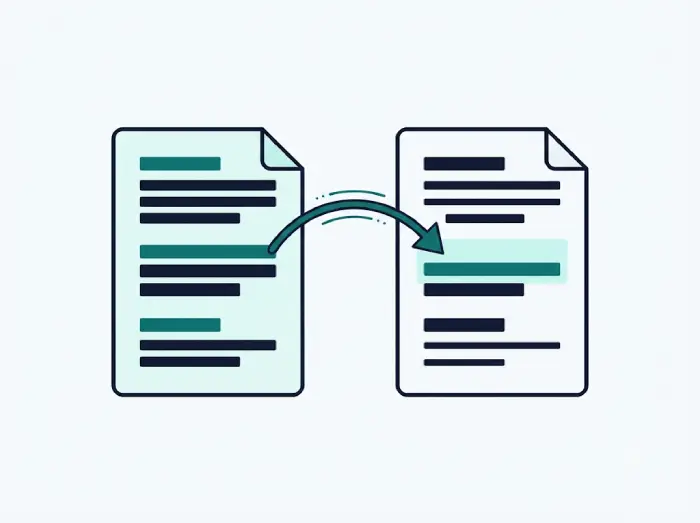
Record the baseline with its conditions
The most common gap in a performance log is a “before” number with no conditions. Record the device, the network, the tool, and how many runs. Without those, the after number cannot be compared. Across this site’s web-performance posts, 2 have been collected so far.
State the hypothesis and its evidence
GitHub’s work on site performance moved styling away from a runtime CSS-in-JS layer toward CSS modules. A hypothesis like “runtime styling costs too much” is only useful when you measure what the runtime work costs. Write down which measurement would show the hypothesis is wrong.
Improving site performance by shipping more CSS
Stack: CSS Modules, CSS-in-JS, TypeScript
Record what you did not change
Regressions often come from a runtime or library upgrade rather than from application code. Note the versions you left alone as well as the ones you changed, because that narrows where the cause can be.
Compare before and after under the same conditions
Use repeated measurements under identical conditions. One run is not evidence of an improvement. If the conditions differ, show the difference as its own column in the table.
Template (copy)
## 1. Target and baseline

- Page, metric (for example, time to first render), measurement setup

## 2. Hypothesis

- What we think is slow, and the evidence for it

## 3. Change

- What changed, and what did not

## 4. Before and after

| Metric | Before | After | Conditions |
|---|---|---|---|

## 5. Rollback criteria and follow-ups

- The metric and threshold that trigger a rollback
Cases quoted in this guide are compiled automatically from public posts and videos and may contain errors. Check each original link. Read the disclaimer
New cases, once a week
Get newly added topics and cases by email once a week.
Once a week. New topics and cases only. Unsubscribe anytime.
Sign in with Google to subscribe. We store your email, name and profile photo. You must be 14 or older. Privacy policy